 Skip to content

How can you increase client lifetime value in finance?
Last Updated: 25 October 2026
Quick Summary
To increase client lifetime value in finance, focus on retention through consistent, personalised communication, strategic appreciation at key milestones, and proactive relationship management. Clients who stay longer generate more revenue, refer others, and require lower acquisition costs than new business.
- Segment clients by value and tenure, then tailor communication frequency and type to each group
- Respond quickly to client concerns during market volatility to build confidence and reduce churn
- Use thoughtful, personalised gifts at milestones rather than generic gestures to reinforce client value
- Track retention rate, client tenure, and referral rate quarterly to measure progress and refine strategy
- Mix communication types including market insights, life-event check-ins, and performance reviews to keep relationships active
Table of Contents
- Why increasing client lifetime value matters for financial advisers
- Understanding client lifetime value calculation
- Financial adviser client retention strategies that work
- Building a financial adviser client communication plan
- Implementing client appreciation ideas for financial advisers
- Measuring progress and refining your approach
- Starting your client lifetime value strategy today
- Frequently Asked Questions
Why increasing client lifetime value matters for financial advisers
Client lifetime value is the total profit a financial adviser can expect from a client relationship over its entire duration. For advisers, this metric shapes everything: retention strategies, service investments, and how you allocate your time.
The reason it matters is straightforward. A client who stays with you for 20 years generates far more revenue than one who leaves after two. But more than revenue, long-term clients become advocates. They refer friends, they trust your recommendations, and they weather market volatility without panic-selling their portfolios.
Most financial advisers focus on acquiring new clients. The real opportunity sits with the ones you already have. To increase client lifetime value means fewer marketing costs, more predictable income, and deeper professional relationships. It's the difference between running a transactional business and building a sustainable practice.
Two Streets Over has worked with financial advisers and professional services firms to strengthen client relationships through strategic gifting. The insight is simple: clients remember thoughtful gestures. A well-timed, genuinely useful gift reinforces trust and reminds clients why they chose you.
Understanding client lifetime value calculation
Client lifetime value calculation starts with three numbers: average annual revenue per client, average client relationship length, and profit margin.
Multiply your average annual revenue per client by how many years they typically stay with you. Add your profit margin. That's your baseline CLV.
Here's what changes this number:
- Client retention rate: A small improvement in retention can significantly increase CLV.
- Revenue growth per client: Clients who upgrade services or consolidate more assets with you generate higher lifetime value
- Service costs: The less you spend servicing a client, the more profit flows to your bottom line
- Referral value: Clients who refer others amplify their lifetime value beyond their own fees
The calculation isn't perfect. It doesn't capture the strategic value of a high-net-worth client or the cost of replacing someone who leaves. But it gives you a framework for deciding where to invest your relationship-building efforts.
Most advisers underestimate how much a small retention improvement moves the needle. A small improvement in how long clients stay with you can increase overall profitability.
Financial adviser client retention strategies that work
Retention starts before clients think about leaving. The moment a client relationship feels transactional, they start looking elsewhere.
Stay visible between transactions. Clients don't need quarterly performance reports. They need regular contact that feels purposeful, not obligatory. A brief email sharing market insight, a call to discuss a life change, or an invitation to a client event keeps the relationship warm. Consistency matters more than frequency.
Personalise your communication. Generic newsletters get deleted. Personalised insights tailored to a client's specific situation, their industry, their age, their goals, feel relevant. Reference previous conversations. Show you remember what matters to them.
Respond quickly to concerns. When market volatility hits, clients panic. Advisers who respond within hours, not days, retain more clients through downturns. A calm explanation of your strategy and why you're not making reactive changes builds confidence.
Acknowledge milestones. Retirements, promotions, inheritances, and major life events shape a client's financial needs. Advisers who notice these moments and proactively discuss implications deepen trust. This is where strategic gifting becomes powerful. A thoughtful gift at a milestone reminds clients that you see them as people, not account numbers.
Offer convenience. Clients with options choose advisers who make their lives easier. Virtual meetings, simplified documentation, and simplified account access reduce friction. Clients stay when staying requires minimal effort.
The common mistake is treating retention as something you do after a problem emerges. Retention is built into your service model from day one.
Building a financial adviser client communication plan
A communication plan prevents relationships from drifting. It's a schedule that ensures every client hears from you regularly, in ways that matter to them.
Start by segmenting your clients:
- High-value clients: Quarterly calls or meetings, plus monthly check-ins
- Core clients: Quarterly contact via email or phone
- Newer clients: Monthly touchpoints for the first year, then quarterly
- At-risk clients: Monthly contact until the relationship stabilises
For each segment, decide what communication looks like. A quarterly market review call. A birthday email. An annual strategy session. A market update sent to all clients simultaneously.
The key is consistency. Clients notice when you disappear for six months. They also notice when you show up reliably.
Mix communication types to keep things fresh:
- Market insights or industry news relevant to their situation
- Life-event check-ins (promotions, retirements, family changes)
- Quarterly performance reviews and strategy discussions
- Invitations to client events or educational webinars
- Personalised year-end summaries
Harvard Business Review research on client retention shows that regular, personalised communication increases client satisfaction and reduces churn. The advisers who build this into their workflow retain more clients and see higher lifetime value growth.
Document your plan. Assign responsibility. Set reminders. A communication plan only works if you follow it.
Implementing client appreciation ideas for financial advisers
Client appreciation moves beyond communication. It's a deliberate gesture that says: "You matter to us."

The mistake most advisers make is generic appreciation. A holiday hamper filled with snacks gets thrown out by Thursday. A branded pen gets lost in a drawer. Generic gestures don't build loyalty.
Strategic appreciation is specific. It's useful. It reflects what you know about the client.
research on corporate gifting effectiveness shows that thoughtful, personalised gifts increase client retention by making clients feel genuinely valued rather than like a transaction.
Consider these approaches:
- Milestone gifts: A premium gift when a client reaches a financial goal, completes their first year with you, or celebrates a major life event
- Seasonal gifts: Quality items clients will actually use, not generic hampers
- Experience gifts: Invitations to exclusive client events, educational seminars, or networking opportunities
- Bespoke gifts: Personalised items that reflect the client's interests or business
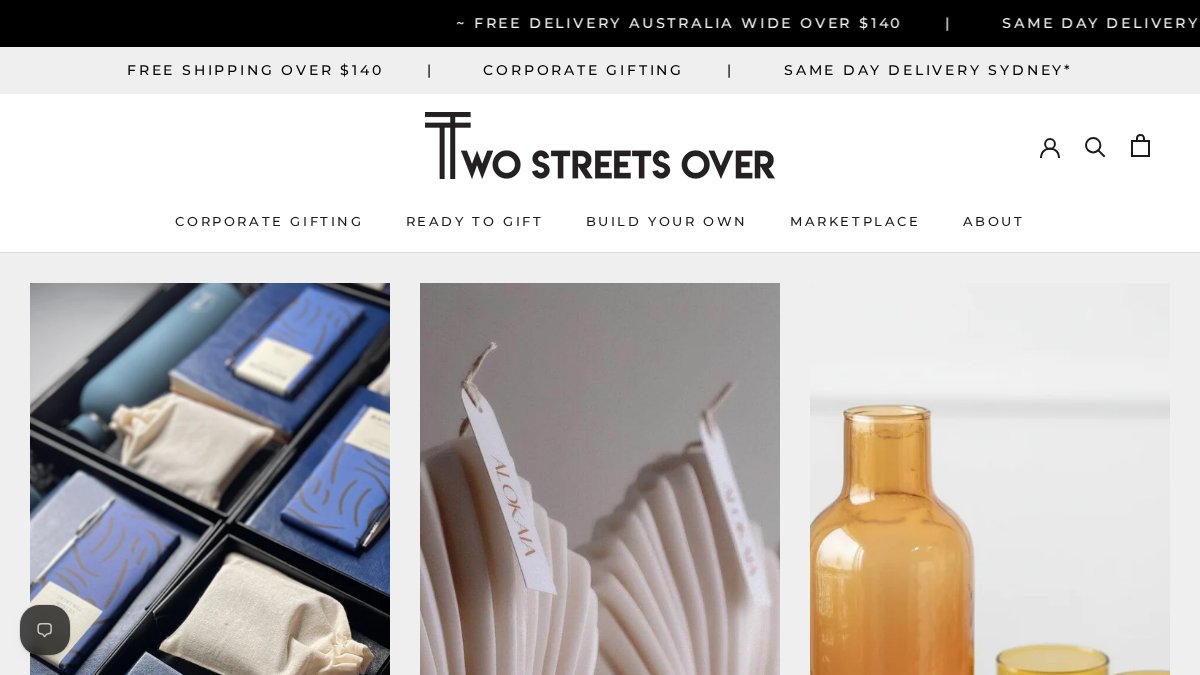
Two Streets Over specialises in curated, premium gift boxes sourced from Australian small businesses. For financial advisers, this solves the appreciation problem. Instead of picking from the same twenty generic options every competitor uses, you can create gifts that feel genuinely thoughtful.
The difference: your clients remember you, not the hamper. Every box carries your brand, not a gifting company's. When a client receives something thoughtfully curated and personally relevant, it reinforces why they chose you.
You can discover corporate gifting solutions designed specifically for professional services clients that strengthen relationships without the generic hamper problem.
The timing of appreciation matters. A gift after a successful financial outcome, at a client milestone, or during a market downturn when clients need reassurance, lands harder than random gestures.
Measuring progress and refining your approach
Increasing client lifetime value requires tracking. You need to know if your strategies are working.
Start with these metrics:
| Metric | What It Measures | Target |
|---|---|---|
| Client retention rate | Percentage of clients staying year-to-year | 90%+ |
| Average client tenure | How long clients stay on average | Track improvement |
| Revenue per retained client | Revenue growth from existing clients | 5-10% annual growth |
| Referral rate | Percentage of new clients from referrals | 20%+ of new business |
| Client satisfaction score | How satisfied clients are with your service | 8/10 or higher |
Review these quarterly. If retention is declining, investigate why. Are clients leaving after a specific event? Are certain service types seeing higher churn? Are communication gaps emerging?
Refine based on what you learn. If clients leave after market downturns, increase communication frequency during volatility. If newer clients churn more, strengthen your onboarding process. If high-value clients stay longer, understand what they value and replicate it.
The businesses that grow lifetime value don't do it by accident. They measure, learn, and adjust.
Starting your client lifetime value strategy today
Increasing client lifetime value isn't complicated. It requires three things: a retention mindset, consistent communication, and strategic appreciation.
Start this week:
- Map your current client base: Segment by tenure, revenue, and retention risk
- Build a communication calendar: Schedule regular touchpoints for each segment
- Identify your first appreciation moment: Which clients deserve recognition this quarter?
The advisers who move fastest to increase client lifetime value see results fastest. Clients who feel seen, communicated with, and appreciated stay longer. They refer more. They consolidate more assets with you. They become your best marketing.
Building lasting client relationships transforms how you grow. When clients feel valued and understood, they become partners in your practice's success. research on relationship-based business models confirms that advisers who prioritise client relationships see 30-40% higher lifetime value than those focused purely on transactions. The investment in communication and appreciation pays dividends across your entire client base. Start with one segment, prove the model works, then scale it across your practice.
Frequently Asked Questions
What is client lifetime value in financial services?
Client lifetime value (CLV) is the total revenue or profit a client generates throughout their entire relationship with your advisory business. It accounts for initial fees, ongoing management, referrals, and cross-selling opportunities. Understanding CLV helps financial advisers prioritise high-value relationships and allocate resources toward retention rather than constantly chasing new clients. A client with strong CLV typically stays longer, refers others, and expands their service usage over time.
How do you calculate client lifetime value?
Start by identifying average annual revenue per client, then multiply by the average client retention period (in years). Subtract acquisition and servicing costs. For example, if a client generates a certain amount annually, stays for a number of years, and costs a certain amount per year to service, the CLV can be calculated. Track this across your entire client base to identify which segments deliver the strongest returns. Adjust calculations quarterly as retention rates and service costs evolve.
How can financial advisers improve client retention?
Retention improves through consistent communication, personalised service, and proactive relationship management. Schedule regular reviews, not just when markets shift or fees are due. Anticipate life changes, marriage, children, retirement, and offer relevant guidance. Show clients you understand their goals by referencing previous conversations. Recognise milestones with thoughtful gestures. Clients who feel genuinely valued and heard stay longer and refer more readily than those who receive generic, transactional service.
What role does client appreciation play in increasing lifetime value?
Meaningful appreciation strengthens emotional connection and differentiates your practice from competitors. Generic hampers or standard gifts are forgotten quickly. Premium, personalised gifts that reflect your client's interests or life stage create lasting impressions and reinforce your brand. Strategic gifting at key moments, settlement completion, referral milestones, or business anniversaries, signals that you value the relationship beyond the transaction. Clients who receive thoughtful recognition are more likely to stay, expand services, and refer others.
